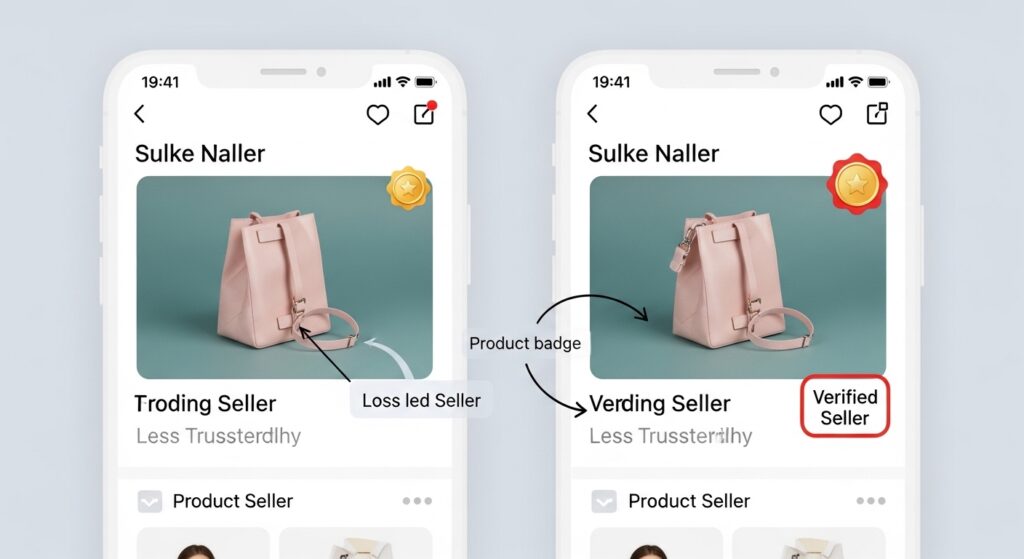
You’re scrolling through TikTok Shop. You spot a competitor’s listing. There’s a small badge sitting right under their shop name that yours doesn’t have and buyers are clicking theirs first.
That’s not a coincidence.
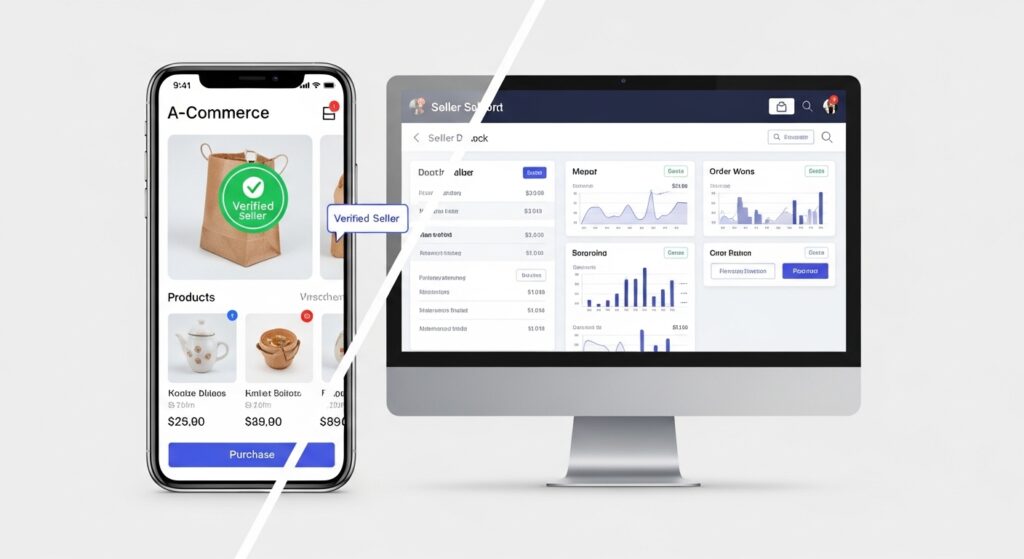
TikTok Shop launched a new badging system designed to surface high-quality, trustworthy sellers directly on product listings, giving verified shops a visible credibility signal at the exact moment a buyer is deciding whether to trust them. The badges aren’t cosmetic. They’re tied to measurable performance data TikTok already tracks on every seller account.
This guide breaks down what the badges are, what TikTok actually evaluates, and what you can do right now to move your shop toward qualification without waiting for an official apply here button that doesn’t exist.
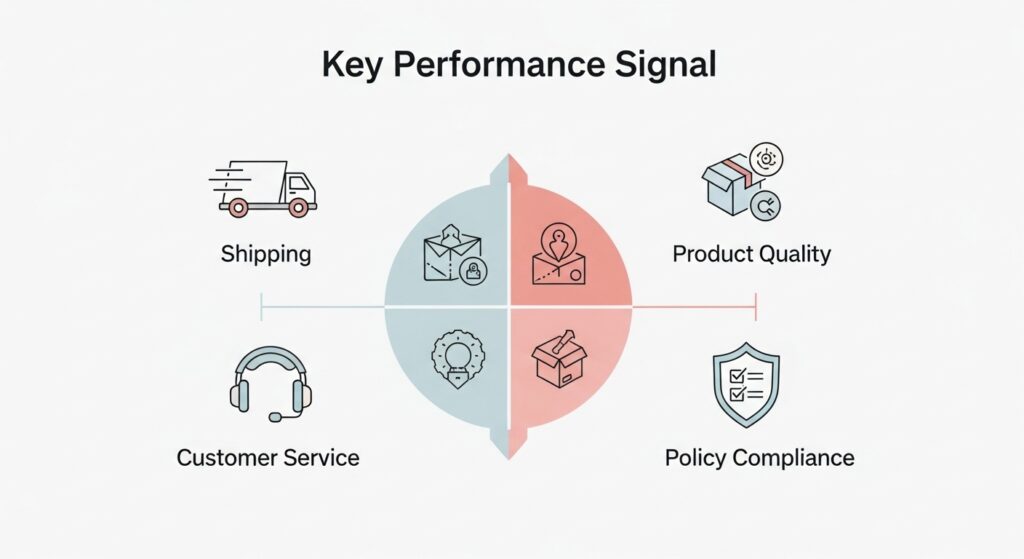
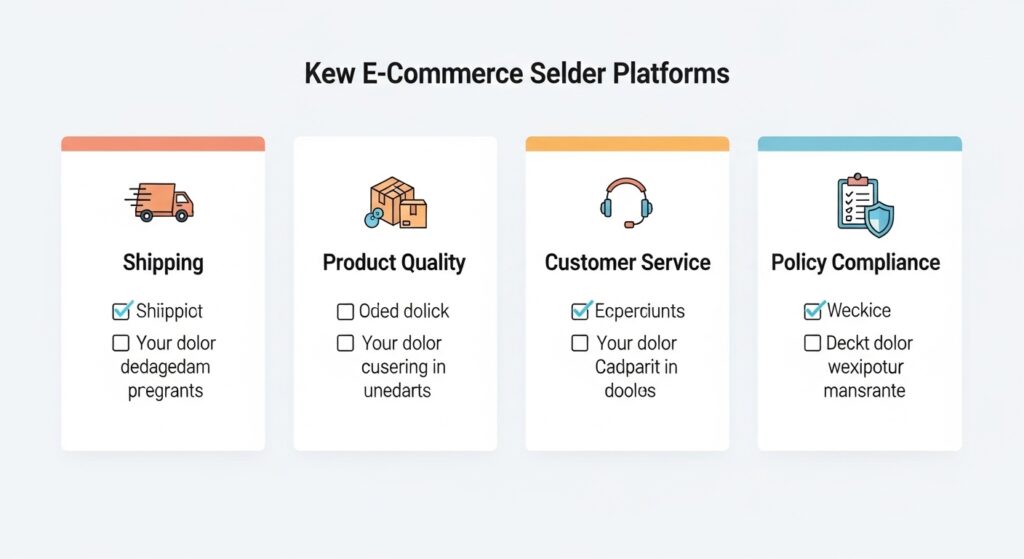
TikTok Shop’s badging system is a seller credibility program that assigns visible trust badges to shops meeting defined quality and performance thresholds. According to TikTok Shop’s seller blog (2024), badges are awarded based on signals including shipping speed, product quality ratings, customer service responsiveness, and policy compliance — and they appear directly on product listings to influence buyer purchase decisions.
What the TikTok Shop Badges Actually
Badge. One word. But it means very different things depending on where you are in TikTok Shop’s seller ecosystem.
TikTok Shop’s badging system isn’t a single label, it’s a tiered credibility layer that sits on top of a seller’s existing shop profile. The badges are designed to communicate one thing to buyers fast: this seller has been evaluated, not just registered.
According to TikTok Shop’s official seller blog, the program evaluates sellers across multiple performance dimensions simultaneously. It’s not a one-metric pass/fail. A seller with blazing-fast shipping but a poor customer service response rate won’t automatically qualify; the system appears to weigh the combination of signals, not a single standout score.
Here’s the thing: TikTok hasn’t published a precise numerical scorecard with cutoff thresholds the way Amazon does with its seller ratings. That ambiguity frustrates a lot of sellers. I’ve seen conflicting data on this some third-party sources claim specific percentage benchmarks while others describe it as a relative ranking system. My read, based on TikTok Shop’s own documentation and Seller Center structure, is that it functions more like a minimum-floor system: you need to be above a certain performance baseline across all key signals, not just excellent at one.
The badges display at the listing level, meaning individual products benefit from the shop-level credential. One badge can lift trust signals across your entire catalog.
The Four Performance Signals TikTok Uses to Score Your Shop
This is where most coverage stops short. The official TikTok pages confirm that badges exist and that they reflect quality. What they don’t walk through is the actual signal breakdown.
Based on TikTok Shop’s seller documentation, four categories drive badge eligibility:
1. Shipping speed and fulfillment reliability
TikTok tracks how consistently you ship within the promised window. Late shipments, even occasional ones register in your performance history. Sellers using TikTok Shop’s Fulfilled by TikTok (FBT) program have a structural advantage here because fulfillment speed is handled at the warehouse level, removing human error from the equation.
2. Product quality ratings
This one’s direct. Buyers rate products after purchase. Sustained low ratings or high return rates signal a product quality problem. No badge threshold will override a pattern of 2-star reviews.
3. Customer service responsiveness
TikTok Shop tracks response time in the seller messaging system. Slow or absent responses hurt your standing regardless of how good your products are. Most guides skip this, but it’s one of the more controllable signals setting up auto-responses through TikTok Shop Seller Center while committing to a daily review window is enough to move this metric.
4. Policy compliance
Have you had listings removed? Received policy violation notices? Operated in restricted categories without proper documentation? Compliance history is part of the scoring picture. Clean accounts start with a real advantage here.
Quick note: sellers managing high order volumes across multiple SKUs often find signal #3 response time is the hardest to maintain. That’s where tools like AutoDS, which integrates with TikTok Shop for order and customer management, can reduce the manual burden enough to keep response metrics healthy.
TikTok Shop’s badging system refers to a seller credibility program that assigns trust badges to shops meeting performance thresholds across shipping, product quality, customer service, and policy compliance. Badges appear directly on product listings, giving qualifying sellers a visible trust signal at the point of purchase.
Does Being on FBT Automatically Give You a Badge?
Short answer: no.
Longer answer: the Fulfilled by TikTok (FBT) program gives you a measurable advantage on the shipping signal because TikTok controls the fulfillment speed. But the badge system evaluates all four signal areas, not just shipping. An FBT seller with poor product ratings or slow customer service response times will still fall short.
Some experts argue that FBT enrollment is essentially a prerequisite for badges at scale the reasoning being that independent fulfillment makes shipping consistency harder to maintain. That’s valid for sellers running high SKU counts or dropshipping models without infrastructure. But if you’re dealing with a focused product catalog and reliable supplier relationships, independent fulfillment done well can meet the shipping threshold too.
The key difference isn’t FBT vs. self-fulfillment. It’s consistency vs. average performance.
Quick Comparison: Badge Eligibility Paths
| Option | Best For | Key Benefit | Limitation |
| Fulfilled by TikTok (FBT) | High-volume sellers, sellers scaling fast | Shipping signal handled automatically | Requires inventory at TikTok warehouse; less control |
| Self-Fulfillment (optimized) | Focused catalogs, domestic suppliers | Full control over packaging and timing | Shipping consistency depends entirely on your process |
| Hybrid (FBT + self-fulfill) | Mixed catalog sellers | Flexibility per SKU type | More complex to manage across two systems |
| AutoDS-assisted fulfillment | Dropshippers, multi-supplier sellers | Automated order routing, response time tools | Third-party dependency; requires setup investment |
Label: Quick Comparison Badge Eligibility by Fulfillment Model
How to Actually Improve Your Badge Standing A Practical Action Plan
This is what the official TikTok documentation doesn’t give you: a ground-level action sequence you can start today.
To improve your TikTok Shop badge eligibility, follow these steps:
1. Audit your current shipping performance rate in the Seller Center dashboard.
2. Respond to all open customer messages within 24 hours set a daily review window.
3. Review your lowest-rated products and either improve them or remove listings pulling down your quality score.
4. Check your policy compliance history and resolve any flagged violations.
5. Consider enrolling eligible SKUs in Fulfilled by TikTok to automate shipping reliability.
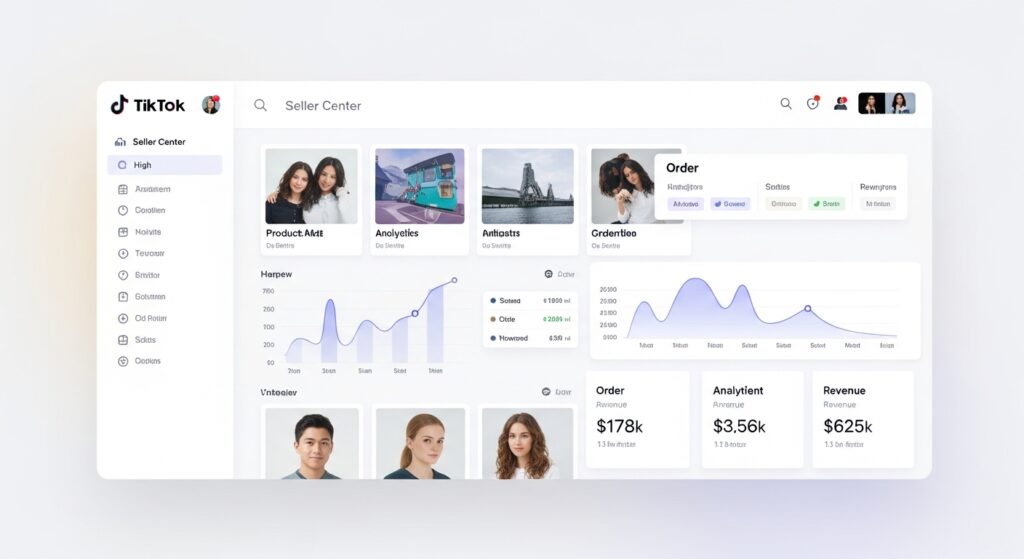
Start with your TikTok Shop Seller Center performance dashboard. It surfaces your metrics by category, you don’t need to guess where you’re falling short. The dashboard won’t tell you your exact badge score, but it will show you which signal area is dragging your performance below benchmark.
Most sellers who look at this data honestly find the same pattern: their shipping and product ratings are solid, and their customer response time is the weak link. It’s the most neglected metric because it doesn’t feel like a quality issue it feels like an admin issue. But to TikTok’s scoring system, it registers the same way.
Or maybe I should say it this way: slow responses don’t just hurt your badge eligibility they’re the exact moment a buyer decides to message a competitor instead.
Step-by-step priority order if you’re starting from zero:
- Fix policy compliance issues first they’re the only blocker that can disqualify you regardless of your other scores
- Lock in a customer response system (even a simple one)
- Audit your bottom 20% of product ratings decide to improve or remove
- Evaluate your shipping process against TikTok’s on-time fulfillment window
- Investigate FBT for your highest-volume SKUs if shipping consistency is a recurring issue
One more thing. Don’t wait for TikTok to notify you that you’ve qualified. Check your Seller Center regularly.Badge assignment appears to happen on a rolling basis, not a fixed calendar cycle.
What Most Guides Get Wrong About the Badge System
Here’s the counter-intuitive part: the badge isn’t primarily a marketing reward. It’s a buyer-protection signal.
Most people assume the badging system was designed to motivate sellers to perform better the way loyalty programs work. The data says otherwise. The system was built from the buyer side: TikTok is reducing purchase friction for first-time or hesitant buyers by pre-screening the sellers they’re choosing from. Sellers benefit as a byproduct.
That framing matters because it changes how you think about the effort. You’re not gaming a reward program. You’re meeting the standard that a cautious buyer would want you to meet before trusting you with their money.
What most guides skip is this: your badge standing is always moving. There’s no permanent badge. If your performance signals drop even after you’ve earned a badge you can lose it. Ongoing operational discipline isn’t just the path to the badge. It’s the path to keeping it.
Who Benefits Most and Who This Won’t Help
This works best for: established sellers who already have a functioning product catalog, consistent sales history, and clean policy compliance. The badging system rewards demonstrated performance, not potential.
It won’t help if: your shop is brand new with fewer than 30 days of transaction history, you’re operating in a restricted product category without verified documentation, or your core product quality issues are supplier-side problems you haven’t resolved yet. In those cases, the badge metrics will reflect the underlying problems and chasing badge eligibility before fixing them is working in the wrong order.
Look, if you’re a new seller who just launched in the last month and you’re wondering why you don’t have a badge yet, Here’s what actually works: focus entirely on getting the first 20–50 orders fulfilled cleanly, respond to every buyer message within 12 hours, and don’t list products you can’t stand behind. The badge system will catch up once your performance history is long enough to evaluate.
Fulfilled by TikTok (FBT) vs. Self-Fulfillment for badge eligibility: FBT is better suited for high-volume sellers because shipping consistency is handled automatically, removing a major variable from badge scoring. Self-fulfillment works better when your catalog is focused and your supplier relationships are highly reliable. The key difference is operational control vs. operational simplicity.
FAQs
Q: What’s the best way to qualify for a TikTok Shop seller badge?
A: Maintain strong performance across four areas, shipping speed, product quality ratings, customer service response time, and policy compliance. There’s no single-application process; badges are assigned based on your ongoing performance data in the Seller Center.
Q: How do I check my badge eligibility on TikTok Shop?
A: Open your TikTok Shop Seller Center dashboard and review your performance metrics by category. While TikTok doesn’t display an explicit badge score, the dashboard shows which signal areas are below benchmark so you know where to focus.
Q: Should I use Fulfilled by TikTok to improve my chances of getting a badge?
A: FBT helps by automating shipping reliability one of the four badge signals but it doesn’t guarantee a badge. You still need strong product ratings, responsive customer service, and a clean compliance record.
Q: Why does my competitor have a TikTok Shop badge and I don’t?
A: Their shop likely meets TikTok’s performance thresholds across shipping speed, product quality, response time, and policy compliance. Check your Seller Center metrics to identify which signal area is pulling your standing below the qualifying threshold.
Q: When should I expect to receive a TikTok Shop badge after improving my metrics?
A: TikTok doesn’t publish a fixed review cycle. Badge assignment appears to happen on a rolling basis as performance data updates. Sellers typically report seeing changes reflected within a few weeks of sustained performance improvement.
Need help auditing your TikTok Shop performance signals or building a seller optimization strategy?