TikTok Launches an E-commerce Platform for Sellers isn’t just where people watch cat videos and dance challenges anymore. It is where people buy things fast, impulsively, and at scale. If you’ve been watching creators sell out product runs overnight and wondering how to get a piece of that, this is where you start.
TikTok Shop is TikTok’s native e-commerce platform that lets sellers list products directly inside the app, enabling purchases without users ever leaving TikTok. It combines a product marketplace, a creator affiliate network, and a fulfillment option — all inside the same ecosystem where your potential customers are already spending hours each day.
That’s the definition. Now let’s get into what it actually means for your business.
What TikTok Shop Actually Is (And Why It’s Different From Other Channels)
Most e-commerce platforms are search-first. Someone knows they want a standing desk, they search for it, they compare options, they buy. TikTok Shop is discovery-first. Someone wasn’t looking for anything — then a 47-second video made them want it, and they bought it before the video ended.
That’s not a small distinction. It changes everything about which products work, how you write listings, and how you think about the customer journey.
According to Emarketer (December 2025), TikTok Shop’s US sales grew 407% in 2024 and an additional 108% in 2025, reaching $15.82 billion and capturing 18.2% of total US social commerce. To put that in context: TikTok Shop went from a platform many US sellers dismissed as experimental to one commanding nearly one-fifth of the entire social commerce market in under two years.
That kind of growth doesn’t happen because the platform is slightly better. It happens because the purchase mechanic is fundamentally different.
Here’s the thing: most sellers who come from Etsy, Amazon, or Shopify assume TikTok Shop is just another listing channel. Add your SKUs, run some ads, watch orders come in. That assumption will cost you.
How TikTok Shop Works for Sellers: The Core Setup
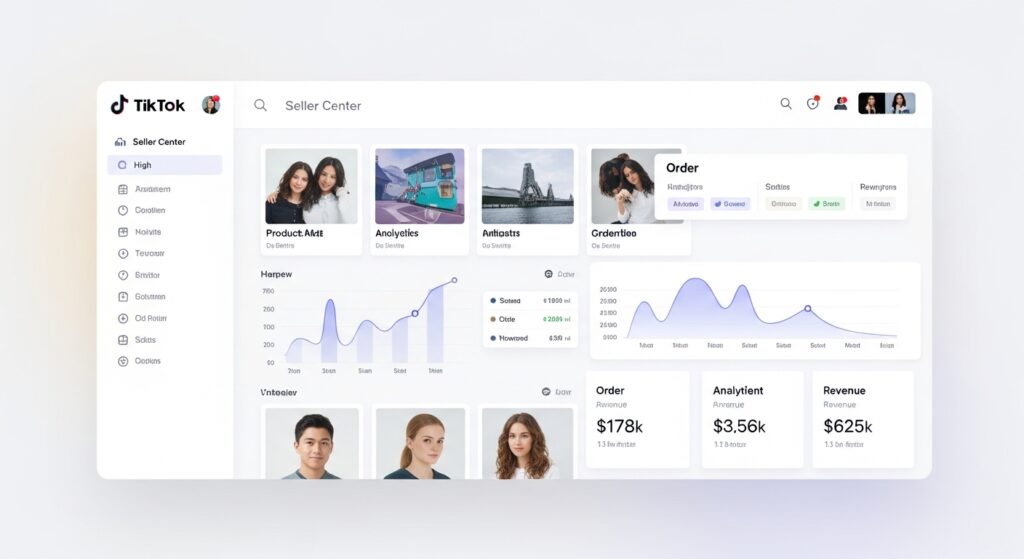
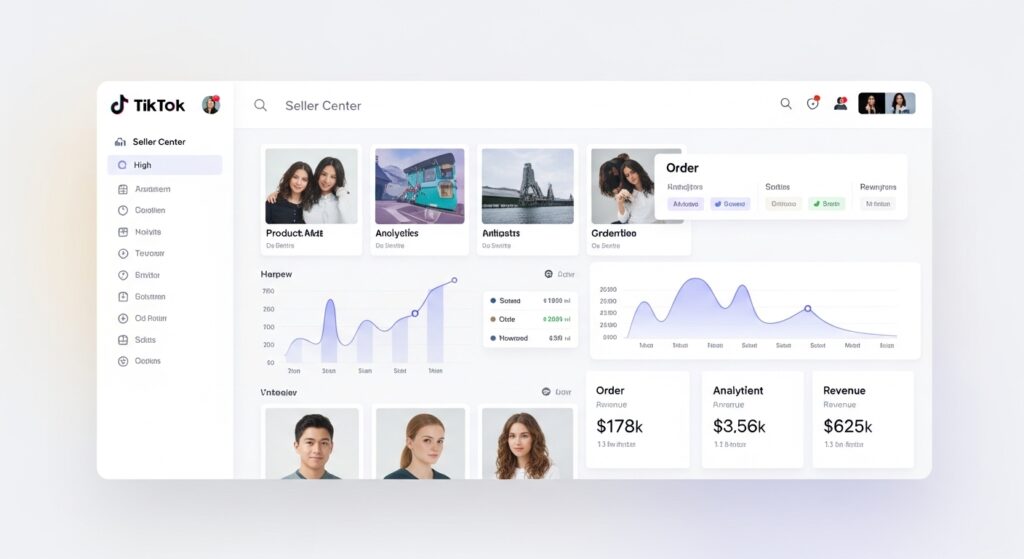
Getting started on TikTok Shop runs through TikTok Seller Center (seller.tiktok.com) — that’s the backend dashboard where you manage everything: product listings, orders, promotions, affiliate partnerships, and payouts.
To open a TikTok Shop seller account, here’s the actual process:
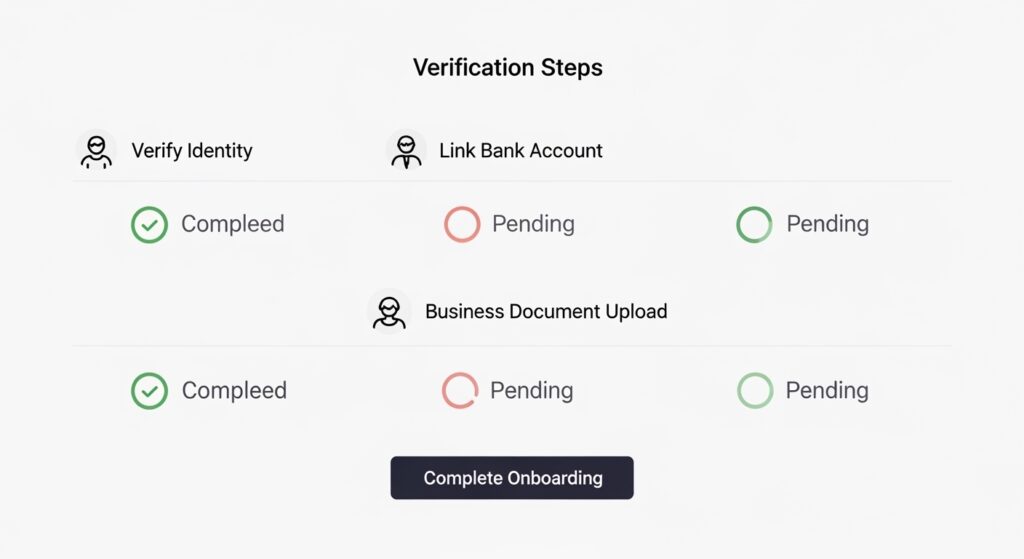
- Visit seller.tiktok.com and click “Sign Up”
- Select your account type: Individual or Corporate
- Submit your business verification documents (government ID or business registration, depending on type)
- Add your warehouse/pickup address and configure shipping
- List your first product with images, price, inventory count, and category tags
- Connect your payout account (US sellers: direct bank deposit)
- Apply for any relevant promotional programs through Seller Center
Approval typically takes 1–3 business days for individual accounts, longer for corporate.
Quick note: TikTok’s product category restrictions are stricter than Amazon’s. Supplements, certain electronics, and some beauty subcategories require additional documentation before you can list. Check the restricted categories list in Seller Center before you invest time in a product launch.
The Fee Structure: This Is Where Most Guides Go Wrong
Let’s talk margins. Because this is the part that bites sellers who didn’t read the fine print.
TikTok Shop’s core fee components for US sellers:
| Fee Type | Standard Rate | New Seller Rate | Notes |
| Referral Fee | 6% of order value | 3% (first 90 days) | Applies to every order |
| Affiliate Commission | 10–20% (seller-set) | Same | Paid to creator who drove the sale |
| Fulfillment (FBT) | Weight/size-based | Same | Only if using Fulfilled by TikTok |
| Payment Processing | ~2% | Same | Built into payout calculations |
Quick Comparison
TikTok Shop vs Amazon for sellers: TikTok Shop is better suited for impulse-buy and lifestyle products because organic discovery through creator content can drive sales with zero ad spend. Amazon works better when buyers are already searching with purchase intent. The key difference is traffic source — TikTok gives you algorithmic reach, Amazon gives you search-driven demand.
Now here’s what most articles don’t tell you.
The 3% new seller referral rate is promotional. After your first 90 days, it reverts to 6%. Sellers who price their products at margins that only work with 3% are setting themselves up for a profitability cliff at day 91. Build your pricing around the 6% standard rate from day one.
The second issue: affiliate commissions stack on top of the referral fee. If you set a 15% affiliate commission rate (competitive for beauty and fashion categories) and pay the 6% referral fee, you’re handing over 21% of order value before you’ve covered COGS, shipping, or advertising. On a $30 product with standard e-commerce margins, that can turn a profitable SKU into a money-loser overnight.
I’ve seen conflicting data on how TikTok calculates affiliate payouts when returns happen — some seller forums report commission clawbacks on returned orders, others don’t. My read is that this is category-dependent and worth confirming directly in Seller Center’s current terms before you scale a product with a high return rate. TikTok Seller Center terms of service!
Fulfilled by TikTok (FBT): Is It Worth Using?
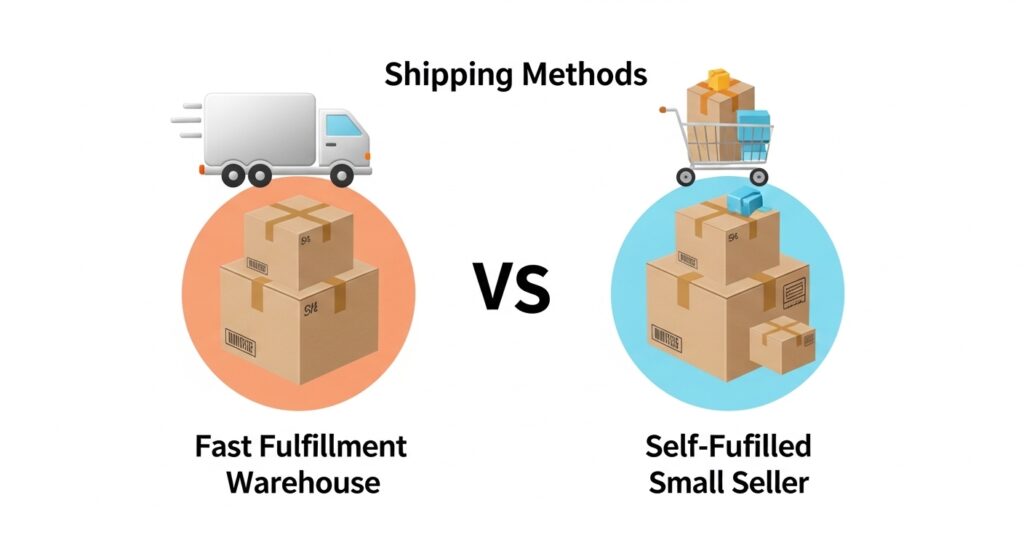
Fulfilled by TikTok (FBT) is TikTok’s warehousing and fulfillment service — TikTok’s answer to FBA. You ship inventory to TikTok’s fulfillment centers; they handle storage, packing, shipping, and returns.
The upside is real. FBT products often get preferential placement in TikTok Shop search results and are eligible for TikTok’s own promotional campaigns. Sellers report faster shipping times, which reduces negative reviews tied to logistics.
The downside is also real. FBT adds cost to every unit, and you lose direct control over inventory visibility. If a product suddenly goes viral and you’ve under-stocked at the fulfillment center, you can’t just ship directly from your warehouse while FBT replenishes — your listing goes out of stock and the algorithm deprioritizes you exactly when you had momentum.
Or maybe I should say it this way: FBT is a good fit for stable, proven SKUs. It’s a risky choice for new product tests.
The Creator Affiliate Model: What No One Explains Clearly
This is the part of TikTok Shop that genuinely has no equivalent on Amazon or Etsy.
TikTok Shop Affiliate connects your products with TikTok creators who promote them in their videos in exchange for commission. You set the commission rate in Seller Center. Creators browse your product catalog in the TikTok Shop Affiliate marketplace, request samples or just start promoting directly, and earn a percentage of every sale they drive.
It works like this. A creator with 200,000 followers makes a 60-second video featuring your product. The video gets 2 million views. Their followers trust them. Orders come in while you sleep.
You pay only on sales generated — no upfront influencer fee required (unless you’re running a targeted collab with a specific creator, which involves a separate deal).
Most people assume the affiliate model is only useful for brands with a big creator network. The data says otherwise. Many TikTok Shop sellers report their first significant sales came from micro-creators (10,000–100,000 followers) whose audiences have high purchase intent in a specific niche — not mega-influencers with broad audiences and low conversion rates.
“What most guides skip is that your commission rate is a public signal. Creators can filter products by commission rate in the affiliate marketplace. If you set 5% while competitors in your category offer 15–20%, your products simply won’t get picked up, no matter how good they are.”
TikTok Shop Academy: The Free Training Most Sellers Ignore
Before you spend a dollar on advertising or affiliate outreach, spend a few hours on TikTok Shop Academy — TikTok’s own free training portal for new sellers, built directly into Seller Center.
It’s not glamorous. But it covers platform-specific policies, listing optimization, and promotional mechanics that you won’t find explained clearly anywhere else. Sellers who skip it and learn by trial and error tend to make the same expensive mistakes: wrong category tags, non-compliant product images, missed eligibility windows for new seller promotions.
Some experts argue that third-party TikTok Shop courses are worth the investment for faster onboarding. That’s valid if you’re launching a high-volume product line and time-to-revenue matters more than cost. But if you’re testing TikTok Shop as a new channel alongside an existing store, TikTok Shop Academy gets you functional faster than most $300 courses do.
FAQ’s
Q: How do I start selling on TikTok Shop?
A: Register at seller.tiktok.com, verify your identity or business, list products through Seller Center, and connect a payout account. Approval takes 1–3 business days for most individual accounts.
Q: What are TikTok Shop’s seller fees?
A: The standard referral fee is 6% per order. New sellers get 3% for the first 90 days. Creator affiliate commissions (10–20%) stack on top — plan your margins around the full combined rate.
Q: Should I use Fulfilled by TikTok or ship myself?
A: Use FBT for stable, proven products where consistent fulfillment speed matters. Self-fulfill for new product tests where inventory levels are unpredictable and you need flexibility.
Q: Why does TikTok Shop work better for some products than others?
A: TikTok is discovery-driven, not search-driven. Products that are visually demonstrable, solve a clear problem in under 60 seconds, or have strong emotional appeal on video significantly outperform products that rely on specs-based comparison.
Q: When should I raise my affiliate commission rate?
A: If your products aren’t getting picked up by creators after 2–3 weeks in the affiliate marketplace, your commission rate is likely below category norms. Research competing products in your niche and match or exceed their rate.
Is TikTok Shop Worth It for Your Business?
Depends entirely on your product.
If you sell something visually compelling, solves a specific problem, and works in the $15–$80 price range — TikTok Shop is worth a structured test. The combination of organic creator reach and fast checkout removes two of the biggest friction points in e-commerce.
If you sell technical B2B products, high-consideration purchases, or items that require detailed spec comparison before buying — TikTok Shop is almost certainly not your primary channel. The audience isn’t in research mode. They’re in scroll mode.
This guide covers setup, fees, and the creator model for US sellers operating standard physical product businesses. It does NOT address TikTok Shop’s live shopping features, in-app advertising costs, or cross-border seller programs those are each worth their own breakdown.