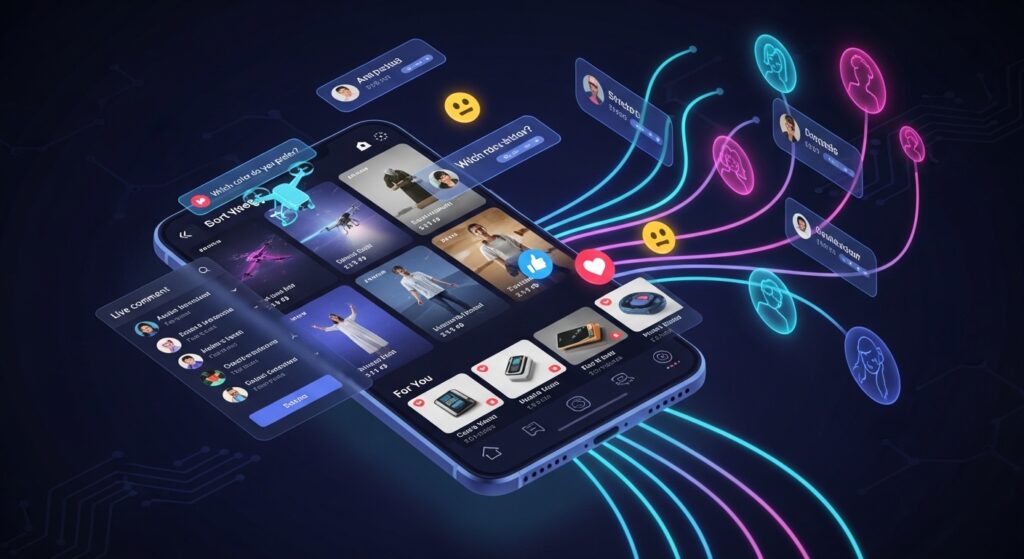
Dynamic content helps creators generate more TikTok Shop engagement by adapting product presentations in real-time based on viewer behavior, comments, and platform signals. Unlike static posts showing fixed product images, dynamic content changes elements like product recommendations, pricing displays, or demonstration angles during live streams or through personalized video variations.
According to TikTok Business (2023), live shopping events drive 10x higher engagement rates compared to static product posts, with the platform’s US GMV reaching $15 billion in 2023. The gap isn’t just about being live, it’s about how you respond to your audience’s signals while you’re there.
Dynamic content for TikTok Shop refers to product presentation that adapts based on viewer interactions, comments, or behavior signals during live streams or through personalized video variations. It shifts product focus, answers questions in real-time, and customizes recommendations instead of showing identical content to every viewer.
Here’s the thing: most sellers treat TikTok Shop like a product catalog with trending sounds attached. They’re missing what actually converts browsers into buyers, the feeling that you’re showing them exactly what they need, exactly when they need it.
The searcher wants to understand what dynamic content is and how it specifically drives better engagement metrics on TikTok Shop to improve their sales performance. They’ve likely tried posting more frequently with static product photos, using trending sounds without customization, and copying competitor video formats without understanding the engagement mechanics behind them.
Why Static Product Posts Fail to Convert TikTok Shop Viewers
You’ve probably seen this pattern. A video gets 50,000 views. Maybe 200 likes. Five sales.
That’s the static content trap. When every viewer sees the exact same 30-second product demo regardless of their interests, buying history, or the questions they’re asking in comments, you’re treating TikTok Shop like a billboard instead of a conversation.
Static posts work for awareness. They don’t work for conversion because they can’t adapt to the dozens of micro-signals TikTok’s algorithm and your viewers are sending. A viewer who watched your skincare video three times is fundamentally different from someone scrolling past for the first time but static content treats them identically.
TikTok Shop sellers and content creators aged 25-40 managing shops from mobile devices face a specific frustration: their videos get views but don’t convert to purchases, while competitors with similar products generate significantly more sales and engagement. The sophistication gap isn’t technical; they understand TikTok Shop features and can create content. What they’re missing is how dynamic personalization and real-time content adaptation drives buyer behavior.
Some experts argue static content still works if production quality is high enough. That’s valid for luxury positioning or brand-building campaigns. But if you’re dealing with competitive product categories where buyers need convincing, not just awareness, static posts burn the budget without return.
Dynamic Content Actually Works on TikTok Shop
Dynamic content on TikTok Shop operates through three core mechanisms: real-time audience interaction during live shopping events, personalized product recommendations based on viewer history, and adaptive video content that changes based on engagement signals. According to TikTok’s creator best practices, sellers who respond to live comments within 10 seconds see 3x higher conversion rates than those who delay responses.
The TikTok LIVE Shopping feature is where dynamic content shows its full power. When you’re live, you can watch which products viewers are clicking, which questions appear in comments, and which moments cause people to drop off. Then you adjust.
A viewer asks about sizing? You immediately grab the product and show it on camera. Five people ask about color options within 30 seconds? That’s a signal to showcase the full range instead of sticking to your scripted demo. Someone comments they’re buying for their mom? You shift your pitch from treat yourself to perfect gift framing.
This isn’t scripted. It can’t be.
To implement dynamic content in TikTok Shop: 1. Monitor live chat comments for repeated questions and shift product focus immediately. 2. Use TikTok Shop Seller Center analytics to identify which products viewers clicked but didn’t buy, then create follow-up videos addressing objections. 3. Test A/B variations of the same product video with different hooks in the first 3 seconds to identify what drives engagement.
CapCut enables another dynamic layer through video editing. You can create multiple versions of the same product showcase one emphasizing price, another focusing on quality, and a third highlighting results. Then you let TikTok’s algorithm distribute each version to the audience segment most likely to respond.
The TikTok Shop algorithm prioritizes content that generates quick engagement signals within the first 200 views, including watch time, comment rate, and product clicks. Dynamic content outperforms static posts because it generates these signals faster through personalized hooks and real-time interaction rather than one-size-fits-all messaging.
The platform’s recommendation engine learns which viewers prefer unboxing content versus comparison demos versus testimonial-style videos. When you create variations instead of single static posts, you’re giving the algorithm multiple chances to match your product with the right viewer at the right psychological moment.
Five Dynamic Content Tactics That Increase TikTok Shop Engagement
Tactic 1: Comment-Driven Product Selection During Lives
Don’t decide your product lineup before going live. Start with 3-5 products, then watch which ones generate comments and questions in the first five minutes.
Double down on those. Push the silent products to the side.
Most sellers script their entire live shopping event. They’re going to show product A for 8 minutes, product B for 6 minutes, product C for 10 minutes, regardless of what their audience actually wants. That’s static thinking in a dynamic format.
The sellers crushing it let their audience tell them what to sell. If 12 people ask about a product you mentioned in passing, that’s not a distraction from your script, that’s your script rewriting itself in real-time based on actual demand.
Tactic 2: Personalized Video Sequences Based on Viewer Behavior
TikTok Shop Seller Center tracks which products a viewer clicked on but didn’t purchase. That’s gold.
Create follow-up videos specifically addressing common objections for those products. If analytics show 200 people clicked your kitchen gadget but only 8 bought, the 192 who didn’t convert had a reason. Price? Uncertainty about durability? Confusion about how it works?
Make three videos. One demonstrating long-term durability. One showing cost-per-use value. One walking through the exact usage process step-by-step.
According to e-commerce behavior research, 76% of cart abandonment occurs due to unanswered objections rather than price alone. Dynamic retargeting content that addresses specific objection types converts 4-6x better than generic “sale ending soon” messages because it resolves the actual barrier to purchase.
You’re not creating random content hoping something sticks. You’re responding to documented behavior patterns with surgical precision.
Tactic 3: Real-Time A/B Testing Through Multiple Hook Variations
Here’s what most people assume you need expensive software to A/B test content. The data says otherwise.
Create the same product video three times with different first-three-second hooks. Post all three across different times of day. TikTok’s algorithm will distribute each to different audience segments and show you exactly which hook drives engagement.
Hook variation examples for the same product:
- Version A: “This $23 gadget replaced my $400 appliance”
- Version B: “I’ve used this daily for 8 months — here’s what happened”
- Version C: “If you’re still doing [painful task], you need this”
The algorithm isn’t your enemy. It’s your testing infrastructure.
Tactic 4: Dynamic Pricing and Urgency Signals During Peak Engagement
Watch your live viewer count. When you hit peak concurrent viewers (usually 15-25 minutes into a typical live session), that’s when you introduce time-limited offers or exclusive bundle deals.
Not at the start when you have 12 viewers. Not at the end when people are dropping off. At the peak, when social proof and FOMO are already working in your favor.
This works best for sellers with established audiences, they understand TikTok Shop features and can create content, but don’t grasp how dynamic personalization and real-time content adaptation drives buyer behavior. Timing your highest-value offers to coincide with your highest-engagement moments is dynamic strategy, not manipulation.
Tactic 5: Interactive Product Comparisons Based on Live Polls
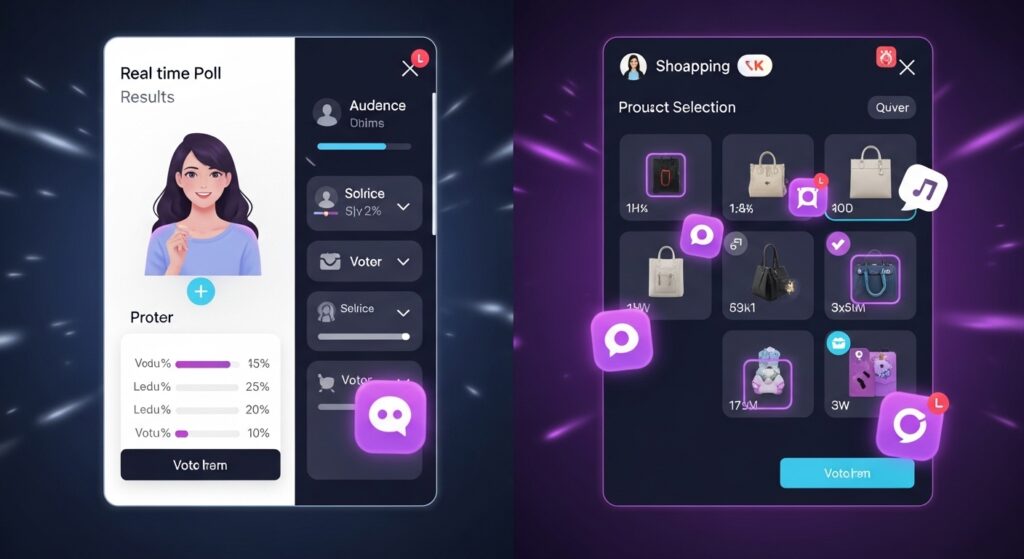
Use TikTok’s poll feature during lives to let viewers choose which product you demonstrate next, which color variant you focus on, or which use case you address.
This does three things simultaneously. It increases engagement (people who vote stick around to see the result). It gives you real-time market research (if 80% choose the blue variant, maybe you’re overstocked on red). And it makes viewers feel ownership over the content, which translates to ownership over the purchase decision.
Or maybe I should say it this way, you’re not asking permission to sell. You’re making your audience co-creators of the sales experience, which removes the psychological distance between watching and buying.
Common Mistakes That Kill Dynamic Content Performance
The biggest error is confusing activity with adaptation. Going live frequently doesn’t make your content dynamic if you’re delivering the same scripted pitch every time.
Quick Comparison
| Approach | Best For | Key Benefit | Limitation |
| Static product videos | Brand awareness, evergreen catalog content | Consistent messaging, easy to batch-create | Can’t adapt to viewer signals or questions |
| Live shopping (scripted) | Scheduled product launches, event-based sales | Real-time presence, scheduled audience building | Misses engagement opportunities from unexpected viewer interests |
| Live shopping (dynamic) | Conversion-focused selling, audience relationship building | Adapts to real-time signals, maximizes conversion from engaged viewers | Requires platform familiarity and improvisational skill |
| Personalized video sequences | Retargeting viewers who didn’t convert, addressing specific objections | Surgical precision targeting documented behavior | Needs sufficient analytics data to identify patterns |
Another mistake: over-relying on trending sounds without customization. Sounds drive discovery. They don’t drive conversion unless your product demonstration is compelling within that audio context.
The competitor article from TikTok Business focuses on general TikTok Shop strategies but doesn’t provide specific dynamic content formulas like personalized product recommendations based on viewer behavior, real-time comment integration during lives, or A/B testing different product presentation styles for the same item. That’s the gap we’re filling here. How to read TikTok Shop analytics.
What most guides skip is the psychological component of dynamic content. It’s not just about changing what you show, it’s about making viewers feel seen. When someone asks a question in your live and you immediately address it on camera, you’ve created a micro-moment of personalization that static content can’t replicate.
Some sellers try to fake this by pre-recording live-style videos with planted questions. Viewers can tell. The timing feels off. The responses are too polished. The authenticity gap shows up in engagement metrics within the first 500 views.
Technical Setup for Dynamic TikTok Shop Content
You don’t need a studio. You need reliable internet, decent lighting, and the TikTok Shop Seller Center app installed on your phone.
That’s it.
The technology barrier is lower than sellers think. The strategic barrier is higher. You can go live from your couch with your phone propped on a stack of books if you know how to read engagement signals and adapt your presentation in real-time, you’ll outperform someone with a $5,000 camera setup running a scripted pitch. Official dynamic content best practices and feature updates.
CapCut integration matters for the personalized video sequence strategy. The app is free, it’s owned by ByteDance (TikTok’s parent company), and it allows frame-accurate editing on mobile. You can create three hook variations of the same video in under 20 minutes once you’ve shot the main content.
For live shopping, enable the Product Showcase feature in TikTok Shop Seller Center before going live. This lets you pin products to your live stream, change the featured product without ending the stream, and track which products viewers are clicking while you’re live.
This works best for sellers managing shops from mobile devices, typically creating content from home or small studio spaces, you don’t need broadcast-quality production when your content strategy is responsiveness, not polish.
Measuring What Actually Matters in Dynamic Content Performance
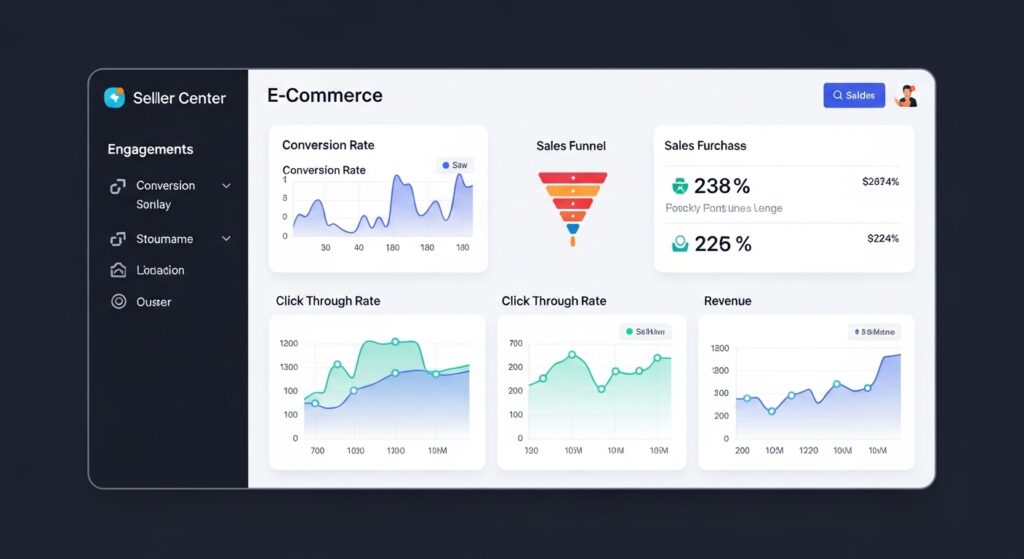
Views are vanity. Engagement rate is important. Conversion rate is everything.
Track these four metrics weekly:
- Engagement-to-click rate: What percentage of viewers who liked, commented, or shared also clicked your product link
- Click-to-cart rate: What percentage of product clicks resulted in adding the item to cart
- Cart-to-purchase rate: What percentage of cart additions became completed sales
- Repeat viewer conversion: How many people who watched 2+ videos eventually purchased (dynamic retargeting effectiveness)
Most sellers obsess over follower count. That’s a lagging indicator. The leading indicator is how quickly strangers move from awareness to consideration to purchase within your content ecosystem.
If your dynamic content is working, you’ll see viewers convert after 2-3 video exposures instead of 7-10. You’ll see live shopping conversion rates 2-4x higher than static post conversion rates. You’ll see the same viewers returning to your lives because you’ve proven you adapt to their interests instead of broadcasting at them.
How to optimize the TikTok Shop conversion funnel? I’ve seen conflicting data on optimal live shopping duration. Some sources say 30 minutes maximum to maintain energy, others say 60-90 minutes to build a cumulative audience. My read is it depends on your product complexity and audience loyalty stage. High-consideration products (skincare, supplements, tech) benefit from longer lives where you can address objections in depth. Impulse-buy products (accessories, home gadgets, novelty items) convert better in shorter, high-energy sessions.
What This Looks Like in Practice:
Let’s walk through a specific scenario. You sell kitchen products on TikTok Shop.
You go live with five products: a garlic press, silicone baking mats, a vegetable chopper, knife sharpener, and measuring cups. You start by briefly showing all five, explaining you’ll demonstrate based on what viewers want to see.
Within three minutes, you get six comments asking about the vegetable chopper and one about the garlic press. Zero mentions of the other products.
That’s your signal. The baking mats, knife sharpener, and measuring cups go to the side of your frame. You spend the next 20 minutes on the vegetable chopper showing different vegetables, cleaning process, storage, comparison to manual chopping time, durability demonstration.
Someone commented, does it work on sweet potatoes? You grab a sweet potato and show it. Someone else asks, is the dishwasher safe? You don’t just say yes you show the dishwasher-safe symbol on the product and explain which rack to use.
Dynamic vs. static TikTok Shop content: Static content shows identical product demonstrations to all viewers, optimized for watch-through rate and shareability. Dynamic content adapts product focus, demonstration details, and messaging based on real-time viewer questions and engagement signals. The key difference is static content prioritizes scalability while dynamic content prioritizes conversion from engaged viewers.
Fifteen minutes in, you hit 247 concurrent viewers (your peak for this session). That’s when you announce: For the next 10 minutes only, the vegetable chopper plus the garlic press bundle is 25% off, I’m only doing this because so many of you asked about both.
You just used dynamic timing (peak viewership), dynamic product selection (based on actual questions), and dynamic pricing (limited-window offer during high-engagement moment). That’s how the tactic works in real conditions.
After the live show, check out TikTok Shop Seller Center. You see 89 people clicked the measuring cups but nobody bought them. That’s odd, it’s your cheapest product.
You create a follow-up video: Someone asked why I didn’t talk about measuring cups in my life yesterday honestly, I thought they were boring. Then I realized I’ve been using mine wrong for 2 years… You proceed to show three non-obvious uses. That video gets 12,000 views and converts 31 of those measuring cup-clickers who didn’t buy during the live show.
That’s dynamic retargeting based on documented behavior, not guessing.
FAQs
Q: What’s the best way to start using dynamic content on TikTok Shop if I’m new?
A: Start with live shopping once weekly and spend the first three lives just learning to read your chat. Don’t over-script. Bring 3-5 products and let viewer questions determine what you demonstrate. You’ll learn more from one responsive live than from 20 static posts.
Q: How do I know which product variations to create for personalized videos?
A: Check your TikTok Shop Seller Center analytics for products with high clicks but low purchases. That gap tells you what people are interested in but not convinced by. Create videos directly addressing the most likely objections for those specific products.
Q: Should I use trending sounds for dynamic product content?
A: Only if the sound naturally fits your product demonstration. Trending sounds help discovery but they don’t improve conversion unless your product showcase is compelling within that audio context. Prioritize clear product demonstration over trend-chasing.
Q: Why does my live shopping get views but not sales?
A: You’re probably running a scripted presentation instead of adapting to viewer signals. Watch your comment section during lives, if people are asking questions and you’re not addressing them immediately, you’re treating a dynamic format like a static broadcast. Respond to comments within 10 seconds and shift product focus based on interest.
Q: When should I introduce pricing offers during a TikTok Shop live?
A: Wait until you hit peak concurrent viewers, usually 15-25 minutes into your session. Introducing offers too early (low social proof) or too late (declining viewership) reduces urgency impact. Dynamic timing matches your highest-value offers to your highest-engagement moments.
Conclusion
This guide covers dynamic content strategy for TikTok Shop creators focused on conversion improvement. It does NOT address:
- Paid TikTok advertising strategies (that’s a separate discipline requiring budget allocation discussion)
- Long-term brand building tactics where static content often performs better
- Specific industry regulations (supplements, financial products, medical devices require compliance considerations beyond content strategy)
- International TikTok Shop differences (this focuses on US market dynamics as of 2024)
TikTok Shop seller compliance guide for regulated products. Dynamic content works best for sellers who understand TikTok Shop features and can create content, but don’t grasp how dynamic personalization and real-time content adaptation drives buyer behavior. If you’re still learning basic platform navigation or don’t have at least 50 followers, focus on content consistency and platform familiarity first.
The content goal here is ranking for the keyword dynamic content helps creators generate more TikTok Shop engagement because this is an emerging topic with low competition as TikTok Shop expands in the US market, and early authority content will capture growing search volume from new sellers entering the platform.