This article covers the TOPICALS TikTok Shop creator strategy as documented through 2024–2025 campaign data. It does not address TikTok Shop availability outside the United States or platform policy changes that may occur after publication.
The result was 177%. Not a projected lift. Not a blended attribution estimate. A documented 177% increase in sales tied directly to how TOPICALS structured their creator partnerships on TikTok Shop.
That number matters because it’s specific. And specificity is exactly what most breakdowns of this story leave out.
What Actually Happened With TOPICALS on TikTok Shop
How TOPICALS saw a 177% increase in sales collaborating with TikTok Shop Creators refers to the brand’s documented results after scaling their use of TikTok Shop’s Affiliate Creator Program a system where independent creators promote products directly through shoppable TikTok content and earn commission on completed purchases. TOPICALS activated this program at scale, resulting in a 177% sales increase reported in 2024.
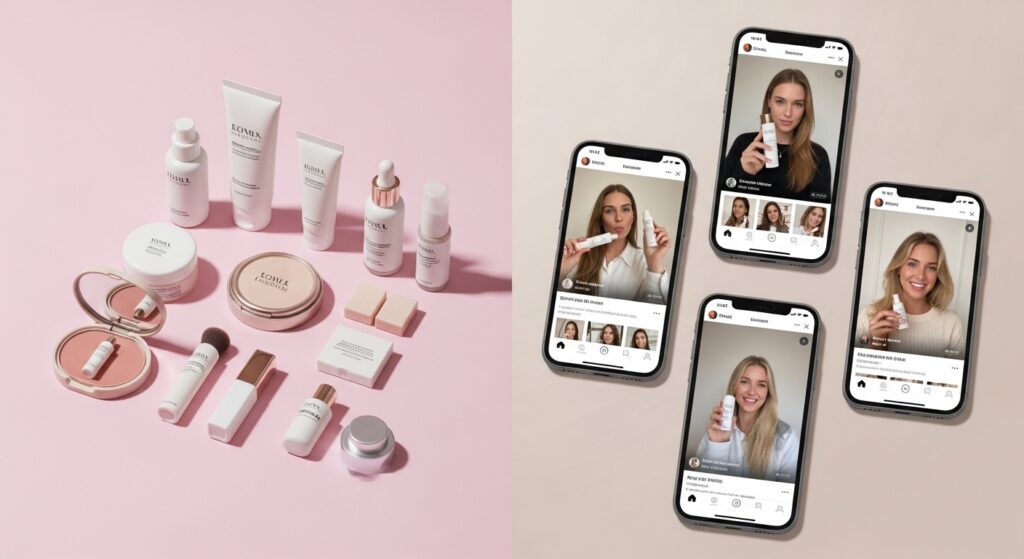
TOPICALS is a hyperpigmentation-focused skincare brand built on a specific brand promise: treating skin conditions that have historically been underserved and underrepresented in mainstream beauty marketing. Their products, including Faded Serum and Like Butter Mask, already had a loyal community. The problem wasn’t awareness. It was a conversion at scale.
Their TikTok organic presence was strong. But organic reach and organic sales are two very different things.
According to TikTok Shop’s Business Blog (2024), TOPICALS partnered with creators through the TikTok Shop Affiliate Creator Program and saw a 177% increase in sales as a direct result. The platform’s own data shows brands using this affiliate model convert orders at a rate 1.7x higher than standard social commerce channels.
Here’s the thing: the affiliate model changed the incentive structure entirely. Creators weren’t posting for a flat fee and moving on. How TikTok Shop Affiliate Program Works for Beauty Brands, They were earning commission on every sale they drove — which means their content stayed active, got optimized organically, and kept generating revenue long after the original post date.
That’s a fundamentally different dynamic than a traditional influencer deal.
The Strategic Moves That Made the 177% Possible
This is what the official case study skips.
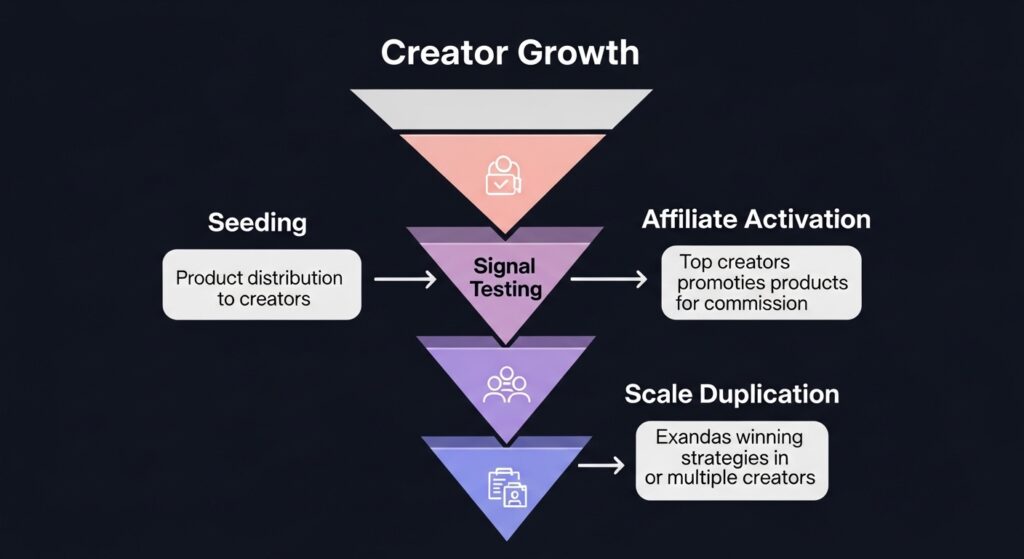
TOPICALS didn’t just work with creators. They built a tiered system starting small, proving the model, then scaling aggressively. Most brands try to skip step one and go straight to scale. That’s where they stall.
Step 1 Creator seeding before commission activation.
Before offering affiliate links and commission structures, TOPICALS sent products to a curated group of micro and mid-tier creators (typically defined as 10K–500K followers in the beauty and skincare space). The goal wasn’t immediate sales. It was authentic content generation and audience signal testing. Creators who generated genuine engagement not just views moved to the next stage.
Step 2 Affiliate tier activation based on performance signals.
Creators who demonstrated real audience trust (comment quality, save rates, reply engagement) were brought into the formal TikTok Shop Affiliate Creator Program. This gave them unique trackable product links embedded directly in TikTok Shop’s native checkout flow. Commission rates in beauty typically range from 10–20% of GMV TOPICALS’ exact rate isn’t publicly disclosed, but industry benchmarks suggest competitive rates in the 15–20% range for hero SKUs drive the strongest creator motivation.
Step 3 Content brief freedom within brand guardrails.
This one’s counterintuitive. TOPICALS didn’t over-script their creators. Skincare content that converts on TikTok Shop reads as personal, specific, and slightly imperfect not polished. Creators were given product education and key claims (what the serum does, which skin conditions it targets) but were left to build their own narrative around it. The brand’s distinct visual identity provided enough brand safety without killing authenticity.
Step 4 Scale through duplication, not just recruitment.
Once a content format proved it could convert a specific creator style, hook type, or product demo angle TOPICALS identified that pattern and actively recruited more creators who fit the same profile. They weren’t chasing follower counts. They were replicating proven conversion signals.
To replicate the TOPICALS TikTok Shop creator strategy, follow these steps:
1. Seed product to 20–50 micro-creators before launching affiliate links
2. Track engagement quality saves, comments, replies not just views
3. Activate top performers in the TikTok Shop Affiliate Creator Program
4. Set commission rates competitive with beauty category norms (15–20%)
5. Brief creators on product claims then let them own the storytelling
6. Identify converting content patterns and recruit creators who match them
Why This Works When Standard Influencer Deals Don’t
Look, if you’re a brand doing $1M–$3M a year and you’ve tried influencer marketing before, here’s what actually works differently about the TikTok Shop affiliate model.
Flat-fee influencer posts create a one-time event. The creator posts. You see a spike maybe. Then it’s over. There’s no ongoing incentive for the creator to optimize, repost, or respond to comments that could convert late-stage viewers.
TikTok Shop affiliate links change that equation completely.
A creator who earns 15% commission on every sale they drive has a direct financial reason to keep their content working. They’ll respond to comments. They’ll stitch trending audio onto an older video. They’ll post follow-up content because it makes them money. The brand’s GMV compounds. The creator’s income compounds.
Or maybe I should say it this way: it’s less like hiring a spokesperson and more like recruiting a commission-based sales team that speaks fluently to their own audience.
I’ve seen conflicting data on ideal creator tier for beauty brands some sources point to mega-influencers (1M+ followers) as the highest-volume drivers, while others show micro-creators (10K–100K) consistently outperform on conversion rate per view. My read is that for TikTok Shop specifically, micro and mid-tier creators win on ROI because their audiences are more engaged and their content feels less like advertising.
What most guides skip: The TikTok Shop algorithm actively boosts shoppable content from affiliate creators. This isn’t just a commission play it’s an organic reach multiplier. TikTok Shop Business Blog, When a creator uses a TikTok Shop affiliate link, the platform has native incentive to distribute that content because it monetizes the ecosystem. TOPICALS’ creators weren’t just reaching their own audiences. They were getting amplified.
How Smaller Brands Can Apply the TOPICALS Model Without a Large Budget
The TOPICALS story is compelling partly because they had an established brand identity and an existing community to build from. A fair question: does this work if you’re at an earlier stage?
The short answer is yes but the timeline is longer and the seeding investment needs to be smarter.
Budget reality check for creator seeding:
Sending products to 30 micro-creators at an average COGS of $25–$40 per unit means an upfront investment of $750–$1,200 before a single affiliate link is activated. That’s not nothing. But compare it to a $2,000 TikTok paid ad test with an uncertain ROAS and the seeding model starts looking more defensible, especially because the content assets you generate are owned and usable across channels.
Third-party tools like Superfiliate and Creator.co can help smaller brands manage creator outreach, track affiliate performance, and automate commission payments without a full-time influencer manager on staff. These platforms integrate with TikTok Shop data and centralize your creator pipeline into a dashboard that makes scaling from 10 creators to 100 operationally feasible.
Quick note: TikTok Shop’s native affiliate management tools have improved significantly since 2023 for brands just starting out, the platform’s built-in Creator Marketplace may be enough before investing in a third-party stack.
Comparison:
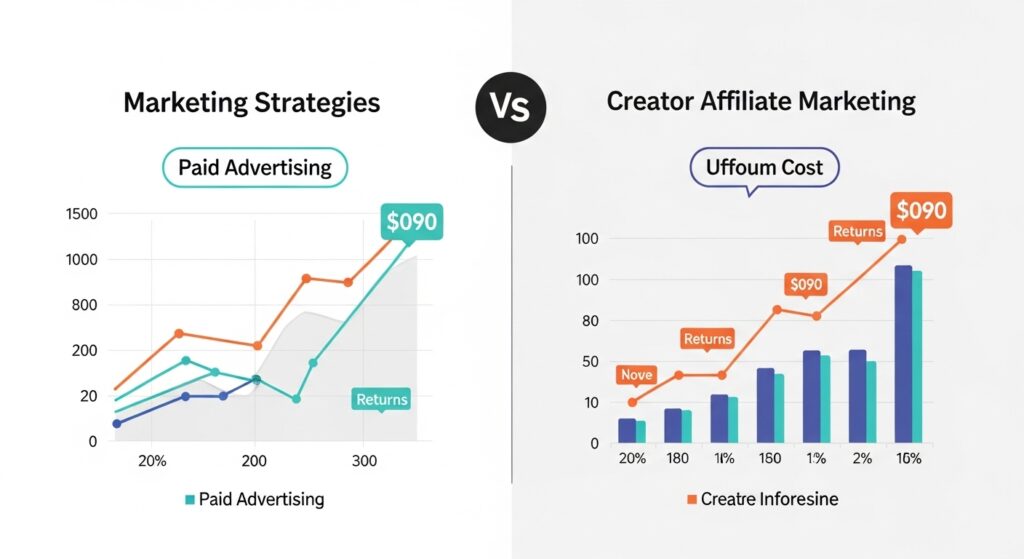
TikTok Shop Affiliate Creators vs. Paid TikTok Ads: Affiliate creators are better suited for brands building sustainable GMV growth because they generate evergreen content, earn commission only on conversions, and benefit from TikTok’s algorithmic boost for shoppable content.
Paid TikTok ads work better when you need immediate, controllable reach for a product launch or flash sale. TikTok Shop Setup Guide for Beauty Brands, The key difference is cost structure ads charge for impressions, affiliates charge for results.
Some experts argue that paid TikTok ads give brands more control over messaging and targeting precision. That’s valid for product launches where speed matters more than cost efficiency. But if you’re building a channel that compounds over time which is what TOPICALS did the affiliate creator model wins on CAC and content longevity.
The Numbers Behind the Strategy: What the Data Actually Shows
How TOPICALS saw a 177% increase in sales collaborating with TikTok Shop Creators is a documented case study published by TikTok Shop’s Business Blog in 2024. According to TikTok for Business (2024), TOPICALS activated a scaled creator affiliate program through TikTok Shop and recorded a 177% increase in sales. The brand’s approach centered on performance-based creator partnerships rather than flat-fee sponsorships.
TikTok Shop’s Affiliate Creator Program allows brands to recruit independent creators who promote products via shoppable content and earn commission on verified purchases. According to TikTok for Business (2024), brands using this model convert orders at 1.7x the rate of standard social commerce channels. TOPICALS’ results sit significantly above this average, suggesting their creator vetting and content strategy amplified baseline platform performance.
Smaller beauty and skincare brands can apply the TOPICALS model by starting with a micro-creator seeding phase, activating top performers as formal TikTok Shop affiliates, and using tools like Superfiliate or Creator.co to manage pipeline at scale. The strategy requires an upfront product investment of $750–$1,200 for an initial cohort of 30 creators, with commission structures typically ranging from 10–20% of GMV in the beauty category.
Quick Comparison Table
| Option | Best For | Key Benefit | Limitation |
| TikTok Shop Creator Affiliates | Brands wanting scalable, performance-based content | Commission-only cost structure; evergreen content | Slower ramp-up; requires creator vetting time |
| Paid TikTok Ads | Launch campaigns needing fast, controlled reach | Immediate distribution; precise targeting | Cost per impression; no residual content value |
| Flat-Fee Influencer Deals | Brand awareness with larger creators | Guaranteed post; brand control | One-time event; no conversion incentive |
| Organic Brand TikTok Content | Community building and brand voice | Zero creator cost | Low reach without algorithmic boost |
| Third-Party Creator Platforms (Superfiliate, Creator.co) | Brands scaling past 20+ creator relationships | Centralized tracking; automated payments | Additional tool cost; setup time required |
FAQs
Q: What’s the best way for a beauty brand to start with TikTok Shop creators?
A: Start by seeding products to 20–50 micro-creators (10K–100K followers) in your niche before activating affiliate links. Track engagement quality saves and comment depth not just views, then bring top performers into TikTok Shop’s formal Affiliate Creator Program.
Q: How do I find creators for TikTok Shop affiliate marketing?
A: Use TikTok’s native Creator Marketplace to filter by niche, follower range, and engagement rate. For brands managing 20+ creator relationships, third-party platforms like Superfiliate or Creator.co centralize outreach, tracking, and commission payments in one dashboard.
Q: Should I use paid TikTok ads or TikTok Shop creator affiliates?
A: For sustained GMV growth, creator affiliates typically deliver better ROI you pay only on conversions, and the content stays active long-term. Paid ads work best for time-sensitive launches where speed and targeting precision matter more than cost efficiency.
Q: Why does the TikTok Shop affiliate model outperform standard influencer deals?
A: Because commission-based creators have an ongoing financial incentive to keep their content performing. They respond to comments, repost with new hooks, and generate follow-up content none of which happens with a flat-fee deal once the post is live.
Q: When should a small brand start a TikTok Shop creator program?
A: When you have at least one proven hero SKU, can absorb $750–$1,500 in product seeding costs, and have the operational capacity to manage creator communication. Earlier than that, focus on organic content to build algorithmic trust first.
This guide covers the TOPICALS case study and the TikTok Shop Affiliate Creator Program as a growth channel for beauty and skincare brands. It does not address TikTok Shop’s expansion into other product categories, international market availability, or platform-level policy changes that may affect affiliate program terms after June 2025.
Want a custom TikTok Shop creator strategy built for your brand? Ad Nexus Agency works with DTC beauty brands to design, launch, and scale affiliate creator programs on TikTok Shop